
What to Expect When Visiting the Top Pediatric Dentists
Pediatric dentistry is a specialized field focusing on the oral health of children from infancy through adolescence. This article will guide you on what to expect from the top pediatric dentists, ensuring a comfortable and informed experience for both you and your child. By selecting the right dentist, parents can foster positive dental habits in their children, helping them maintain oral health as they grow.
According to PubMed Central, over the past 25 years, the total number of dentists has increased by 23%, with pediatric dentists showing the most dramatic growth—rising by 103%. This significant increase demonstrates how parents today are recognizing the importance of specialized dental care for children and seeking out pediatric dentists who provide expertise, comfort, and compassion. Below, we’ll explore a few key areas of what to expect when visiting the Pediatric dentists—so you and your child can look forward to every visit with confidence and ease.
Choosing The Right Pediatric Dentist
Selecting the right pediatric dentist is the first and most important step toward a positive dental experience for your child. The top pediatric dentists have undergone additional years of education and training focused exclusively on children’s dental health. Their expertise includes child psychology, dental growth and development, and techniques designed to manage young patients with care and patience.
Board certification from the American Board of Pediatric Dentistry is another mark of distinction among pediatric dentists. This certification ensures the dentist has met the highest professional standards and continues to stay current with advances in pediatric oral care.
Parents should also consider reviews and recommendations when making their choice. Online testimonials, parenting groups, and word-of-mouth referrals offer valuable insight into how each dentist interacts with children. It’s not just about skill—it’s about connection. The right dentist helps children feel comfortable and even excited about visiting. By combining qualifications, compassion, and communication, pediatric dentists create an experience that builds trust and sets the foundation for a lifetime of good oral health.
Evaluating The Dental Environment and Technology
The environment of a dental office can greatly influence how a child feels about their visit. Pediatric dentists create spaces that are colorful, welcoming, and fun—complete with friendly staff, engaging themes, and playful waiting rooms. These details may seem small, but they help children associate the dentist’s office with positivity rather than fear.
Technology is another defining factor. Modern pediatric practices often feature tools like digital X-rays, intraoral cameras, and laser dentistry—all designed to make procedures more precise and comfortable. These technologies reduce discomfort, minimize radiation exposure, and shorten appointment times, making each visit smoother and more efficient. Parents can look for signs that a dental office invests in continuous innovation. When combined with a friendly atmosphere, modern equipment reassures families that their children are receiving safe, advanced, and gentle care.
Building Comfort Through Communication and Connection
Clear communication is at the core of a successful pediatric dental visit. The top pediatric dentists know that children respond best to warmth, humor, and patience. They take the time to explain what’s happening in easy, child-friendly language—turning potential fear into curiosity.
Parents also play an essential role in this communication loop. A skilled pediatric dentist explains each procedure, answers questions thoroughly, and provides helpful guidance on at-home care. These conversations foster trust between dentist, parent, and child. By combining empathy, education, and encouragement, pediatric dentists transform routine visits into empowering experiences that strengthen a child’s confidence in their smile.
Preparing Your Child for Their First Visit
Preparation is one of the most effective ways to ensure your child’s first dental visit goes smoothly. Start by explaining what dentists do and why visiting them is important. Keep the conversation light and reassuring—avoid mentioning pain or fear.
Reading storybooks about dental visits or watching short videos can help children visualize what to expect. Many pediatric dentists even offer virtual office tours or pre-appointment visits so kids can meet the staff and explore the environment before the big day.
At home, parents can use role-playing to act out a dental visit. Pretend to be the dentist, count your child’s teeth, and switch roles so they can “examine” you. This playful approach turns preparation into bonding time.
Scheduling matters too. Choose a time of day when your child is most relaxed and alert—usually mornings or after a nap. Avoid mealtimes or late afternoons when they might be tired or irritable. With the right preparation, your child’s first visit can be a positive introduction to lifelong dental care.
Experiencing The First Dental Appointment
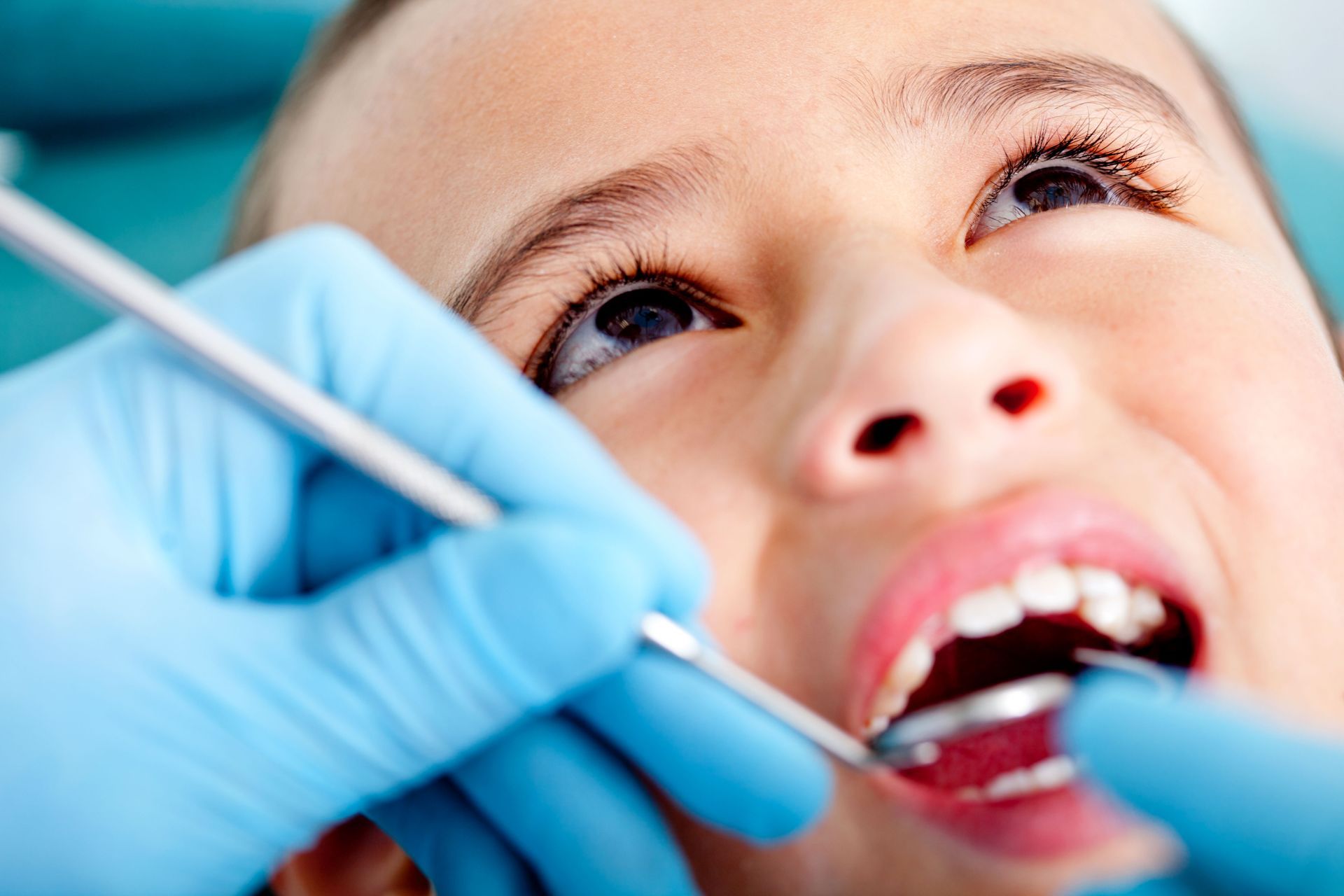
When you arrive for your child’s first appointment, expect a warm welcome. The visit typically begins with a review of medical and dental history, followed by a gentle examination of your child’s teeth and gums. The top pediatric dentists take this time to understand your child’s needs, preferences, and comfort level.
The “tell-show-do” approach is commonly used: the dentist tells the child what will happen, shows them the tools, and then performs the procedure gently and calmly. This builds trust and reduces fear of the unknown.
Depending on your child’s age, the visit may include a basic cleaning, fluoride treatment, or the application of dental sealants for cavity prevention. Throughout, the dentist and staff maintain an encouraging and cheerful tone, praising cooperation and rewarding bravery.
Parents are encouraged to stay nearby, offering reassurance when needed. The first appointment is about creating familiarity and trust—not rushing through procedures. The top pediatric dentists understand that a calm and confident first experience sets the tone for every visit thereafter.
Understanding Common Pediatric Dental Treatments
Once your child becomes comfortable with regular visits, you’ll encounter a few common procedures that help protect their growing smile. Pediatric dentists are skilled at explaining each one in a friendly, non-intimidating way. Fluoride treatments strengthen tooth enamel and prevent decay. They’re fast, painless, and often come in fun flavors that kids love. Dental sealants are thin coatings applied to molars, sealing deep grooves where food particles can hide. They act as invisible shields against cavities.
Fillings and restorations repair teeth affected by decay or injury, using tooth-colored materials for a natural look. Orthodontic assessments may also be suggested to monitor jaw development and bite alignment, ensuring healthy growth. Every treatment is introduced with patience and positivity. Pediatric dentists make sure each child feels informed and in control, turning what might seem scary into a simple, even interesting, experience.
Supporting Long-Term Oral Health at Home
Good dental habits begin at home, and pediatric dentists emphasize that parents are their children’s first and most important role models. Brushing twice daily with fluoride toothpaste, flossing regularly, and eating a balanced diet are the building blocks of lifelong oral health. Turn brushing into a fun activity rather than a chore. Use songs, colorful toothbrushes, or timers to keep it engaging. Younger children may enjoy choosing their own toothbrush or toothpaste flavor—it gives them a sense of control and excitement about dental care. It’s also important to discuss habits such as thumb-sucking or pacifier use with your dentist, as they can affect alignment and jaw development. Maintaining open communication with your child’s dentist ensures you’re always equipped to guide them toward strong, healthy smiles.
Appreciating The Human Touch in Pediatric Dentistry
Beyond degrees, tools, and procedures, what truly defines the top pediatric dentists is their genuine care for children. They take pride in creating a space where every child feels safe, valued, and heard. A gentle laugh, a sticker after the appointment, or a reassuring word can completely change how a child perceives dental care. Pediatric dentists understand that trust is built through kindness—and kindness is remembered long after the appointment ends. They adapt their approach to each child’s personality, using empathy to make the dental chair feel like a place of learning rather than fear.
Visiting the dentist doesn’t have to be stressful—it can be an adventure filled with learning, laughter, and smiles. The top pediatric dentists combine expert care, cutting-edge technology, and compassion to create memorable experiences that set children on the path to lifelong dental wellness. If you’re ready to help your child build a healthy relationship with dental care, schedule an appointment with Dentistry for Children today. Their dedicated team is passionate about keeping little smiles bright—one gentle visit at a time.



Share On: