
Common Habits Pediatric Dentists Advise Parents to Avoid
Supporting a child's oral health goes far beyond brushing twice a day. Pediatric dentists frequently see preventable dental issues that stem from everyday habits parents may not realize are harmful. By understanding which practices to avoid and how to adjust them, parents can take proactive steps to protect their child's smile and overall well-being. Oral health plays a vital role in nutrition, speech development, confidence, and long-term health outcomes. According to the World Health Organization, oral diseases are estimated to affect close to 3.7 billion people across the globe, underscoring the importance of early prevention and education. Partnering with a local pediatric dentist helps parents identify risk factors early and establish healthier routines that support strong oral health well into adulthood.
Improper Comfort Habits and Their Impact on Dental Development
Comforting habits such as pacifier use and thumb sucking are common in infancy and early childhood, but problems arise when these habits persist for too long or are managed incorrectly. Pacifiers can provide emotional soothing and help infants self-regulate, yet prolonged or excessive use can interfere with proper tooth alignment and jaw growth. Continuous sucking places pressure on developing teeth, which may cause them to shift out of position, potentially leading to bite problems such as open bites or crossbites.
In addition to alignment concerns, the materials used in pacifiers require close attention. Older or damaged pacifiers can harbor bacteria, crack, or deteriorate over time. When not cleaned or replaced regularly, they can introduce harmful bacteria into a child's mouth, increasing the risk of infection or decay. A local pediatric dentist often advises parents to inspect pacifiers frequently and discontinue use as a child approaches toddlerhood to reduce developmental risks.
Jaw development is another major concern tied to prolonged comfort habits. The bones and muscles of the face are highly adaptable during early childhood, and repeated pressure can alter natural growth patterns. These changes may affect speech development and chewing efficiency. Pediatric dental professionals typically recommend gradually reducing pacifier use around age two, replacing the habit with alternative comfort strategies that do not compromise oral development.
Skipping Preventive Dental Visits and Early Intervention
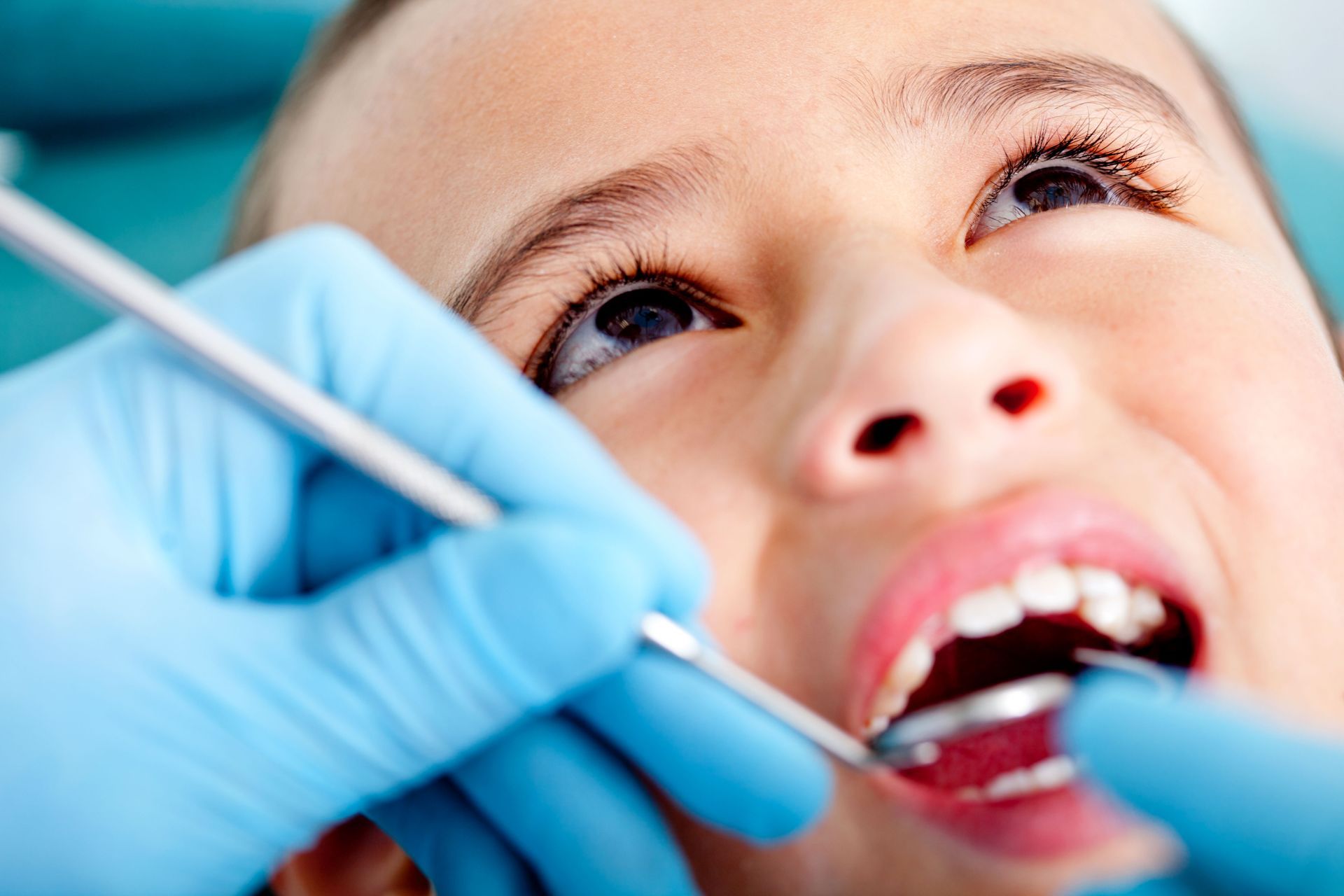
One of the most common mistakes parents make is underestimating the importance of regular dental check-ups during early childhood. Many assume dental visits are only necessary once permanent teeth emerge, but early visits are critical for prevention. Cavities can develop quickly in baby teeth, often without obvious symptoms until discomfort or infection occurs. A local pediatric dentist can identify early signs of decay, enamel weakness, or improper tooth eruption before problems escalate.
Routine visits also allow dentists to monitor gum health, which is often overlooked in children. While gum disease is more commonly associated with adults, inflammation and early periodontal concerns can develop in young patients due to plaque buildup or poor brushing habits. Addressing these issues early helps preserve both baby teeth and the health of the underlying permanent teeth.
Professional cleanings are another major benefit of regular appointments. Even with diligent brushing at home, plaque and tartar can accumulate in hard-to-reach areas. Dental professionals remove these deposits safely while reinforcing proper brushing and flossing techniques. These visits also serve as educational opportunities, helping children become comfortable in a dental setting and reinforcing positive attitudes toward oral care. Establishing this relationship with a local pediatric dentist builds trust and encourages lifelong preventive habits.
Dietary Choices That Increase the Risk of Tooth Decay
Frequent consumption of sugary snacks and beverages is one of the leading contributors to childhood tooth decay. Sugar fuels harmful bacteria in the mouth, which produce acids that weaken enamel and create cavities. When children snack continuously throughout the day, their teeth are exposed to acid attacks more frequently, limiting the mouth's ability to recover and remineralize.
Hidden sugars present an additional challenge. Foods marketed as healthy, such as flavored yogurts, granola bars, and fruit juices, often contain high levels of added sugars. Without careful label reading, parents may unintentionally increase their child's cavity risk. Pediatric dentists emphasize the importance of understanding ingredient lists and choosing whole, minimally processed foods whenever possible.
Encouraging healthier alternatives can significantly improve oral health outcomes. Snacks like cheese, raw vegetables, nuts, and fresh fruit support saliva production and provide essential nutrients without excessive sugar. Water should be the primary beverage, as it helps rinse food particles from the mouth and supports enamel health. A local pediatric dentist can provide personalized dietary recommendations that balance nutrition with cavity prevention, helping families make sustainable, tooth-friendly choices.
Misunderstanding Fluoride Use and Dental Safety
Fluoride plays a critical role in strengthening enamel and preventing tooth decay, but improper use can lead to complications. Excessive fluoride ingestion during tooth development may cause fluorosis, which appears as white spots or streaks on the teeth. While primarily cosmetic, fluorosis highlights the importance of using fluoride correctly and under guidance.
Dentists recommend age-appropriate amounts of fluoride toothpaste to maximize benefits while minimizing risk. For very young children, only a smear the size of a grain of rice is needed, while older preschool-aged children should use a pea-sized amount. Supervising brushing ensures children do not swallow toothpaste and learn proper rinsing habits.
Overlooking Signs of Dental Injuries and Trauma
Children are naturally active, making dental injuries a common concern. Falls, sports accidents, and playground mishaps can result in chipped, cracked, or knocked-out teeth. Ignoring symptoms such as persistent pain, swelling, bleeding, or sensitivity can worsen damage and complicate treatment. Prompt evaluation by a dental professional is essential to prevent infection and preserve tooth structure.
Immediate care not only addresses visible damage but also evaluates underlying issues that may not be obvious. Untreated dental trauma can affect tooth roots, jaw alignment, and the development of surrounding teeth. A local pediatric dentist is trained to manage dental emergencies and provide timely interventions that support healing and long-term oral health.
Inconsistent Dental Routines and Missed Learning Opportunities
A consistent dental routine is the foundation of good oral health, yet many families struggle to maintain one. Brushing and flossing twice daily removes plaque, prevents cavities, and promotes healthy gums. Parents should actively supervise brushing until children demonstrate proper technique and consistency.
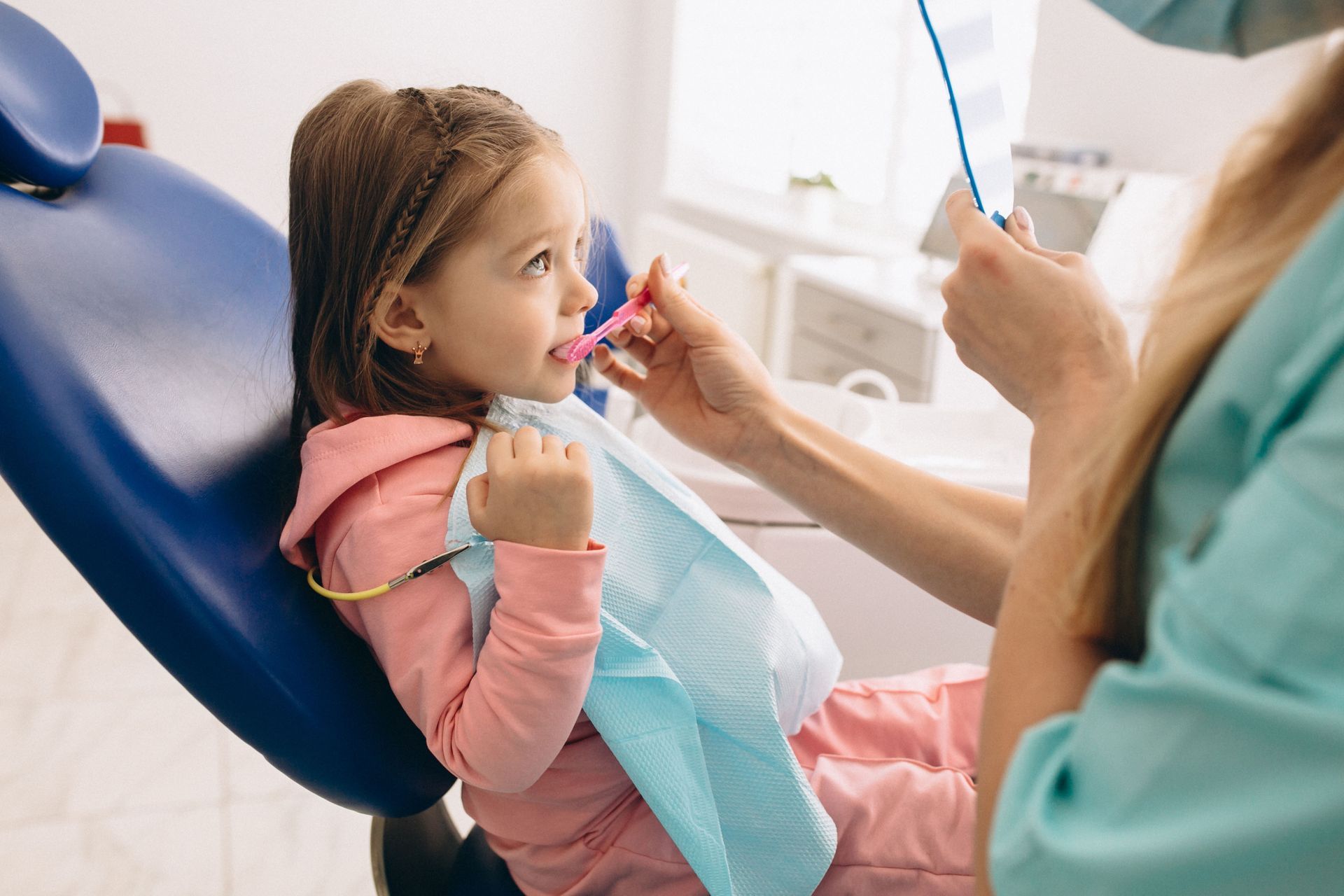
Making oral care engaging can improve compliance. Fun toothbrushes, flavored toothpaste, and timed brushing activities transform routines into positive experiences. When parents participate alongside their children, it reinforces the importance of oral hygiene and sets a strong example. A local pediatric dentist often encourages family-based routines that normalize dental care as part of daily life.
Education further strengthens these habits. Explaining why brushing matters helps children take ownership of their health. Books, videos, and conversations make learning accessible and empowering. When children understand the consequences of neglect, they are more likely to maintain healthy practices independently as they grow.
Avoiding common dental pitfalls can make a lasting difference in a child's oral health journey. From managing comfort habits and diet to prioritizing preventive visits and consistent routines, parents have the power to shape healthier outcomes. Early education, proactive care, and professional guidance create a strong foundation for lifelong oral wellness. Working closely with a trusted local pediatric dentist ensures that children receive personalized care tailored to their developmental needs. If you want to protect your child's smile and set them up for long-term success, schedule an appointment with a
local pediatric dentist today and take the first step toward a healthier, brighter future.


Share On: