
Protecting Your Child's Smile: How Fluoride Prevents Cavities and Strengthens Enamel
Understanding the importance of oral health for children is crucial. In this article, we explore the role of fluoride in preventing cavities and strengthening tooth enamel. We will examine how fluoride works, its benefits, and the best practices for ensuring your child's smile remains healthy. Oral health is a fundamental aspect of overall wellness that often gets overlooked in childhood. By providing adequate resources and guidance, parents can foster healthy oral hygiene habits that their children will carry into adulthood.
The Science Behind Fluoride
How Fluoride Works on a Molecular Level
Fluoride functions by integrating into the crystalline structure of tooth enamel, which is primarily composed of hydroxyapatite. When fluoride is present, it replaces the hydroxyl ions in hydroxyapatite to form fluorapatite, a more resilient compound. This conversion enhances the enamel's resistance to acid attacks from foods and bacteria. The fluoride ions create a barrier that fortifies tooth surfaces against demineralization. Consequently, this chemical process is vital in maintaining the hardness and durability of teeth.
The Role of Fluoride in Remineralization
Remineralization is the natural process of restoring minerals to demineralized enamel. Fluoride enhances this process by attracting calcium and phosphate ions, critical components of tooth enamel. When these minerals are drawn to weakened areas in the presence of fluoride, they form a robust layer over the tooth surface. This protective layer prevents the progression of decay and can even reverse early cavity formation. By promoting remineralization, fluoride plays a critical role in maintaining dental health.
The Interaction of Fluoride with Plaque and Bacteria
Fluoride's interaction with plaque and bacteria is an essential element in oral health. Plaque is a sticky film of bacteria that forms on teeth, and when combined with sugars from food, it produces acids that erode enamel. Fluoride inhibits bacterial growth and reduces their acid production by disrupting the bacteria's metabolic processes. This not only slows down but also prevents the progression of tooth decay. Hence, fluoride helps in keeping harmful oral bacteria at bay.
Fluoride's Effect on Developing Teeth
Fluoride is particularly beneficial to teeth that are still developing. During the formative years, when primary and permanent teeth are growing, fluoride aids in building more cavity-resistant teeth. This is due to fluoride's ability to integrate into the enamel structure as teeth develop. Additionally, fluoride deposited in developing teeth continues to offer protection as the child grows. This developmental support ensures that teeth are fortified before they even erupt.
Comparative Studies on Fluoride Efficacy
Numerous comparative studies have examined the efficacy of fluoride in reducing dental caries. For example, communities with fluoridated water supplies show significantly lower rates of cavities compared to those without. Clinical studies consistently demonstrate that fluoride treatments result in a substantial decrease in cavities among children. These findings underscore the importance of incorporating fluoride into dental health strategies. With consistent evidence supporting its use, fluoride remains a cornerstone of preventive dentistry.
Benefits of Fluoride for Children's Dental Health
Reduction in Cavity Formation
Cavity prevention is one of the primary benefits of fluoride use in children's dental care. Fluoride enhances the mineralization of teeth, lowering their susceptibility to acid attacks that cause decay. Its preventive effect is especially significant during the years when children are at high risk of developing cavities. Public health initiatives, such as water fluoridation, have proven effective in reducing cavity rates across populations. Implementing fluoride in children's daily routines is crucial for reducing cavity formation.
Strengthening of Tooth Enamel
The strengthening of tooth enamel is another major benefit of fluoride. By forming the durable compound fluorapatite, fluoride fortifies teeth against acids produced by plaque bacteria. Strong enamel resists wear and tear, which is critical in preventing cavities. Fluoride's ability to strengthen enamel makes it an indispensable component in maintaining the integrity of children's teeth. Imparting robust enamel significantly contributes to healthier, longer-lasting teeth.
Long-term Oral Health Benefits
Beyond immediate benefits, fluoride provides long-term oral health advantages. Strengthened teeth are less likely to develop cavities, root damage, or require extensive dental work in the future. By reducing decay rates and promoting remineralization, fluoride contributes to a lifetime of healthier teeth. Early fluoride use sets the foundation for good oral health practices in adulthood, leading to fewer complications. Ultimately, fluoride's long-term benefits extend well into later stages of life.
Cost-effectiveness of Fluoride Use
In addition to its health benefits, fluoride is a highly cost-effective preventive measure. Compared to the high costs of treating dental diseases, the expense of fluoride treatments is minimal. Community-level interventions like water fluoridation yield a significant return on investment in terms of health cost savings. The reduced need for dental treatments due to fluoridation makes it an economic advantage for families and public health systems. Thus, the cost-effectiveness of fluoride use is a major incentive for its implementation.
Improvement in Overall Dental Hygiene
Fluoride contributes significantly to improvements in overall dental hygiene. The reduced prevalence of cavities leads to fewer incidences of gum disease and associated complications. Good dental hygiene practices supplemented with fluoride ensure that teeth remain clean, healthy, and functional. The combination of brushing with fluoride toothpaste and regular dental check-ups fosters a comprehensive oral care routine. Therefore, fluoride is integral in cultivating superior dental hygiene in children.
Sources of Fluoride for Children
Fluoridated Water Supply
One of the most accessible sources of fluoride is the fluoridated water supply. Many communities adjust fluoride levels in drinking water to optimal concentrations for preventing tooth decay. This widespread public health measure delivers fluoride benefits to large populations at minimal cost. Studies have consistently shown that fluoridated water significantly lowers cavity rates among children. Access to fluoridated water ensures that children receive consistent fluoride exposure to promote dental health.
Fluoride Toothpaste and Mouth Rinses
Fluoride toothpaste and mouth rinses are critical components of a child's oral care routine. Fluoride toothpaste is an effective and direct means of delivering fluoride to teeth, aiding in the remineralization process. Regular use of fluoride toothpaste after meals helps maintain a protective barrier on enamel. Mouth rinses offer an extra fluoride boost, supplementing the protective effects of toothpaste. Together, these products form a robust foundation for daily dental care.
Professional Fluoride Treatments
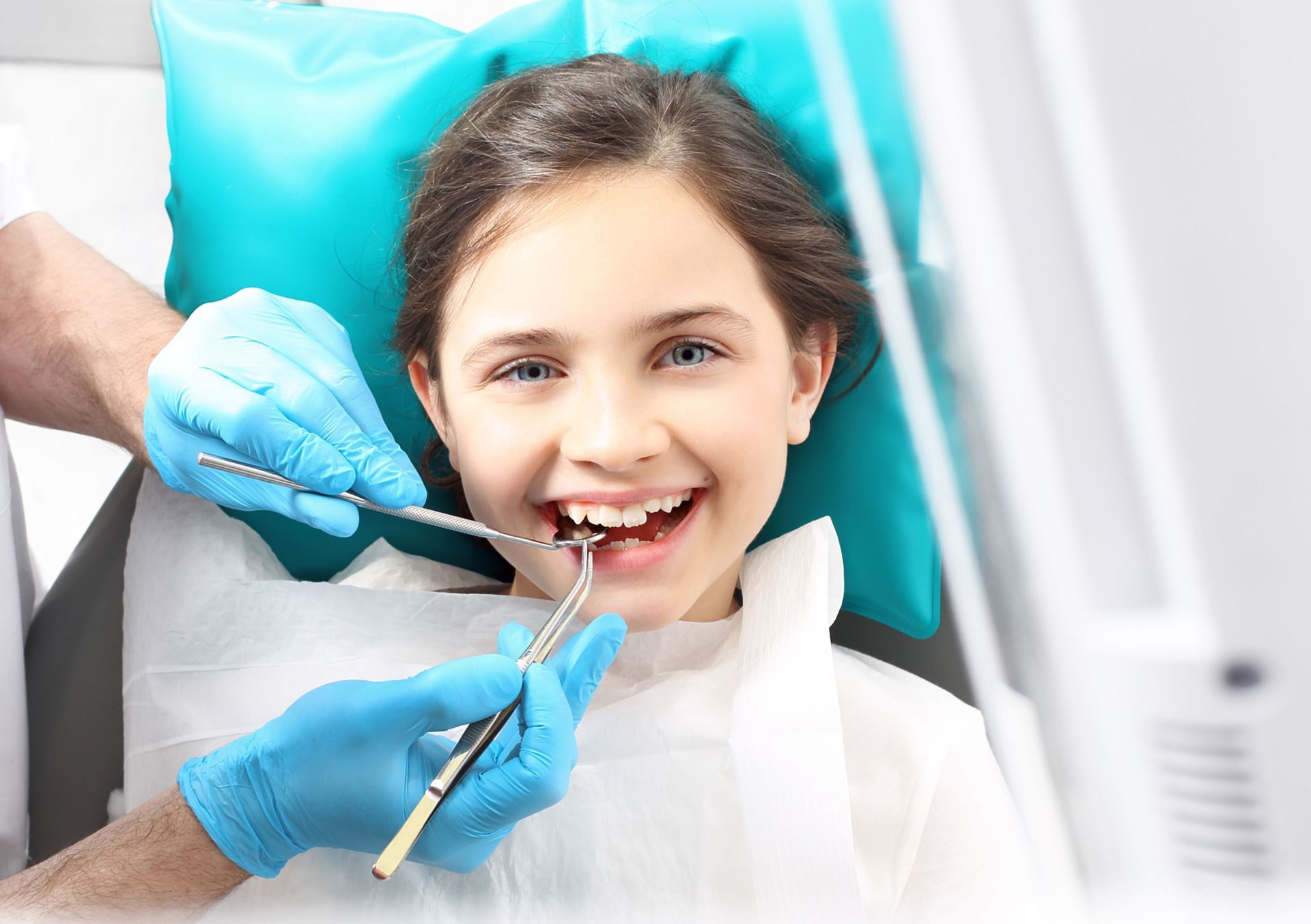
Professional fluoride treatments are another valuable source for children, typically performed during routine dental visits. Dentists apply concentrated fluoride gel or foam directly to teeth, offering added protection against cavities. Such treatments are particularly beneficial for children at higher risk of developing tooth decay. Professional fluoride applications guarantee that children receive optimal fluoride exposure for dental health. Regular treatments maintain enamel strength and support ongoing oral care initiatives.
Fluoride plays a vital role in maintaining children's dental health by preventing cavities and strengthening enamel. By understanding its benefits and the safe ways to incorporate it into daily routines, parents can ensure their children enjoy a healthy and bright smile. This article highlights the importance of informed and balanced fluoride use as a cornerstone in preventive dental care. According to the World Health Organization, nearly 7% of people aged 20 and older experience complete tooth loss worldwide. With effective fluoride practices, the goal of achieving lasting oral health can become a reality for many families. Encouraging responsible fluoride use equips children with the tools needed to maintain their smiles throughout their lives. Be sure to reach out to Dentistry for Children to learn more about our professional local pediatric dentist! We're here to help!



Share On: